November is Native American Heritage Month. Its purpose is to celebrate the culture and heritage of our nation’s indigenous peoples.
Around 9.7 million people identify as American Indian or Alaska Native, which is about 2.9% of our country’s total population. There are 574 federally recognized Tribal Nations across the United States. 227 are located in Alaska and 109 in California. There are 326 federally recognized reservations, where Native communities maintain cultural administrative centers with their own governments, laws, and traditions.
Over 150,000 Native Americans, “representing over 175 different Tribal Nations,” currently live in the state of Illinois. Illinois is also home to the Prairie Band Potawatomi Nation, which is the only federally recognized Tribal Nation in our state. According to the Chicago American Indian Community Collaborative, Tribal Nations with traditional homelands in Illinois include “the Potawatomi, Odawa, and Ojibwe Nations; the Illinois Confederation: the Peoria and Kaskaskia Nations; and the Menominee, Myaamia, Wea, Ho-Chunk, Sauk, Kickapoo, Mascouten, and Meskwaki Nations.”
TBR Books, specifically, is located on land belonging to Osage, Quapaw, Kaskaskia, Kickapoo, Myaamia, and Očhéthi Šakówiŋ.
You can read about different treaties between the United States and Tribal Nations in Illinois on the Tribal Treaties Database, run by Oklahoma State University Libraries. The treaties in this database date from 1795 to 1833. In 1830, Andrew Jackson signed the Indian Removal Act, the result of which was that “nearly all Indian tribes had been driven west” by the 1840s. Infamously, the forced removal of Creeks and Cherokee from Tennessee, Alabama, North Carolina, and Georgia to Oklahoma, resulted in thousands of deaths and became known as the “Trail of Tears.” This treatment of Native Americans by the US government served as inspiration for Adolf Hitler’s actions before and during World War II.
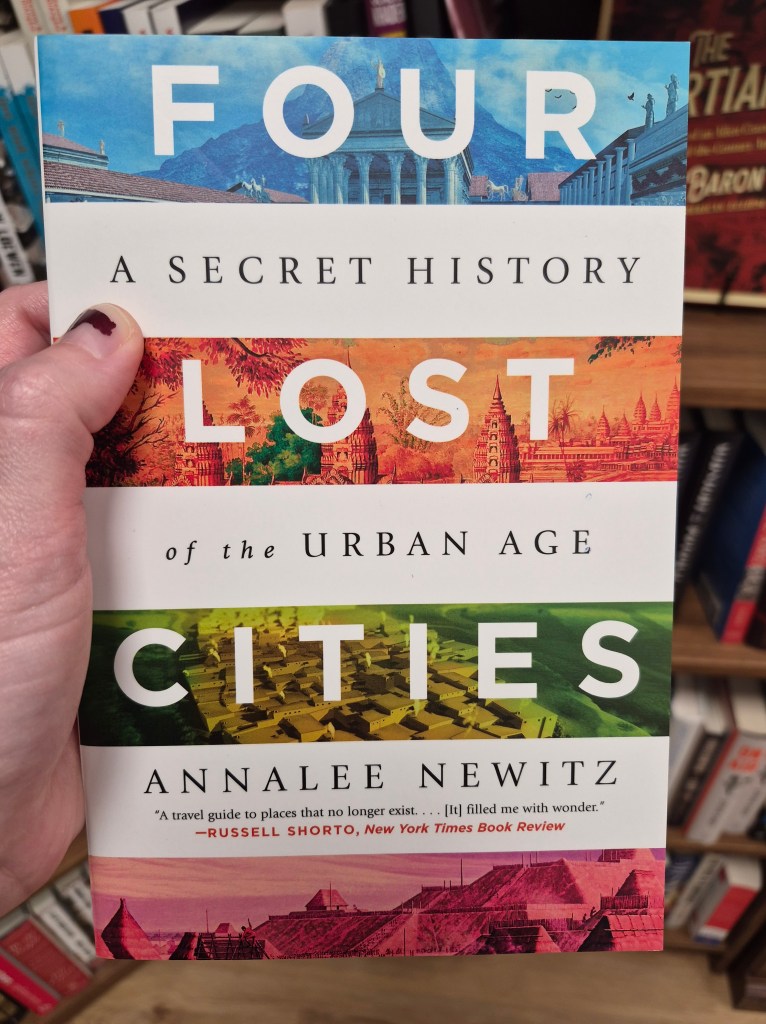
Indigenous history can be found throughout Illinois, but our region is famous for Cahokia Mounds, an earthen mound which was part of “the largest prehistoric Native American city north of Mexico.” The city was occupied from around 700 CE to 1400 CE. Corn was grown in the area starting around 900 CE, which caused the population to increase. In 1250 CE, the city was larger than London was! Since we do not know what the people of the city called themselves, they are referred to by scholars as the Mississippian Culture. The culture spanned Illinois, Missouri, Tennessee, Alabama, Mississippi, Georgia, Arkansas, Louisiana, Oklahoma, Indiana, and Kentucky. While Cahokia Mounds State Historic Site preserves 70 mounds, Monks Mound is the largest “human-made structure in all of North America,” and visitors can take a staircase to the top. Mounds can be found in East St. Louis, Mitchell, Dupo, and Lebanon. Mounds could also be found in St. Louis, which used to be nicknamed “Mound City,” although almost none of the mounds in St. Louis still exist. Cahokia Mounds is a UNESCO World Heritage Site. The Osage Nation and other Dhegiha Sioux tribes reportedly have ties to the Mississippian culture in the St. Louis area.
Currently, as of October 28, 2026, the Navajo Nation is asking for help due to catastrophic flooding in New Mexico, Arizona, and Utah.
Below, you can find books and additional resources.
Of note: this page (and all others on our website) is a work in progress. Books might be added or removed, and additional resources will be reorganized to be of better use.
Books
Books for Children
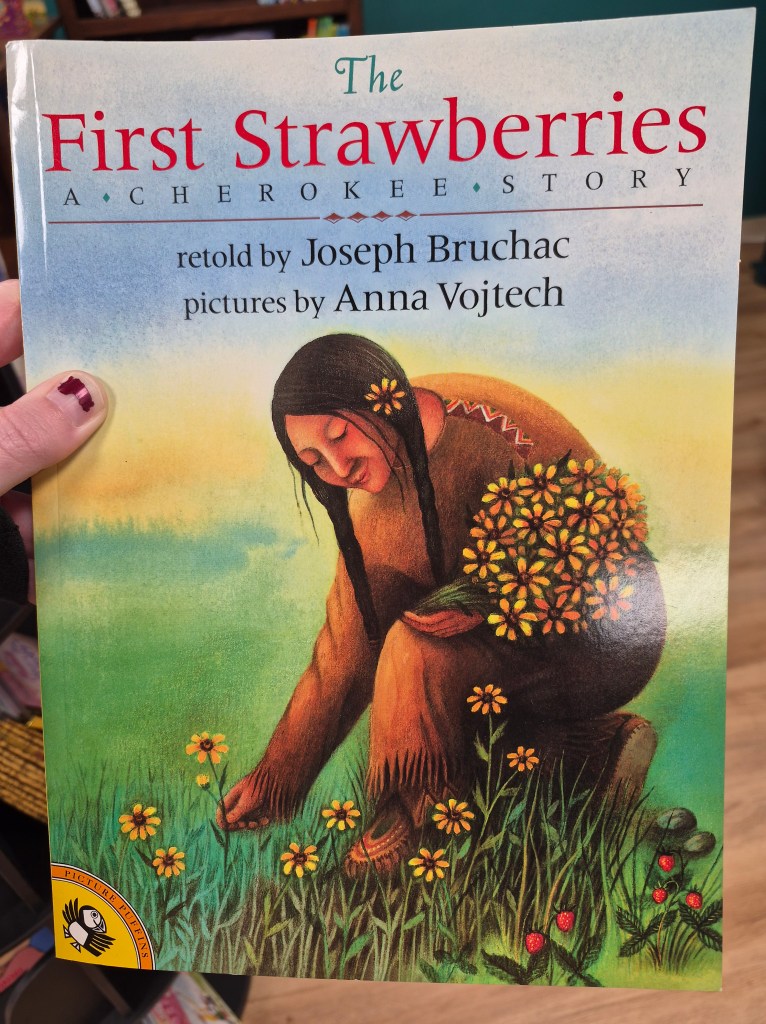
Books for Young Adults
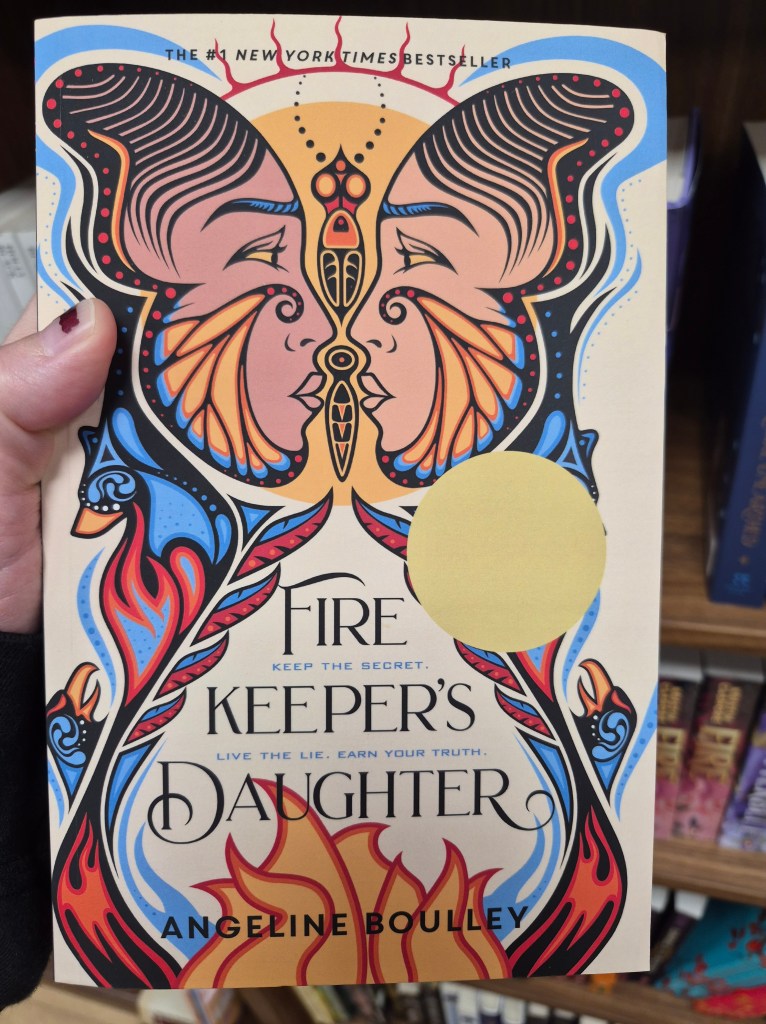
Fiction Books for Adults
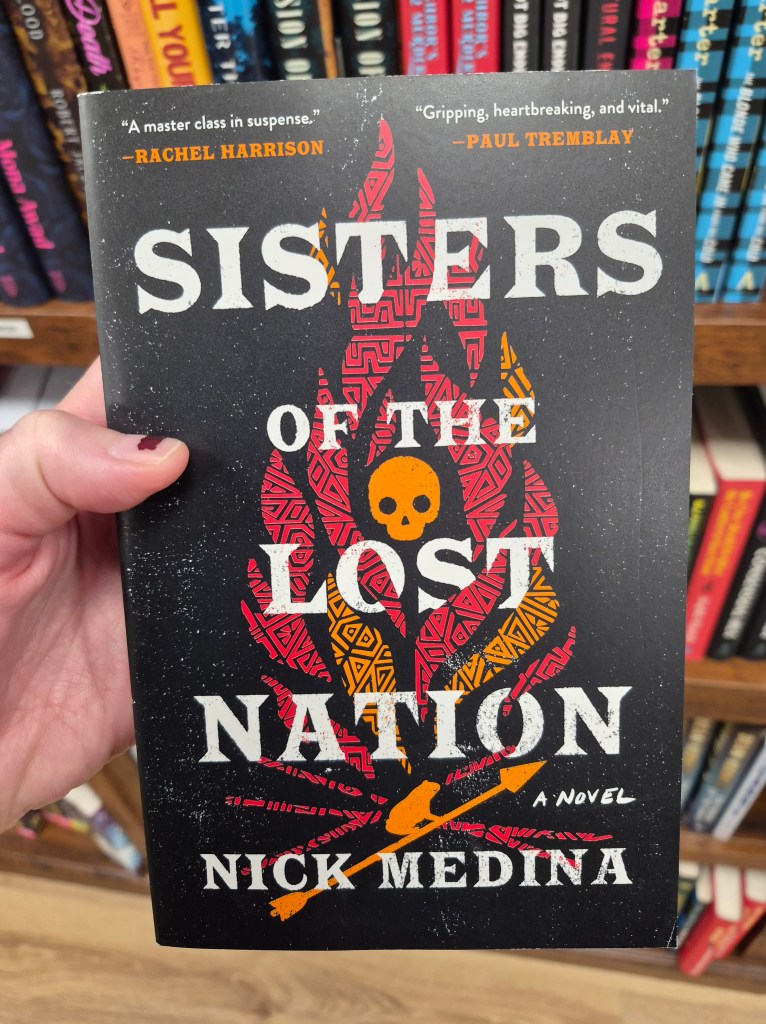
Nonfiction Books for Adults
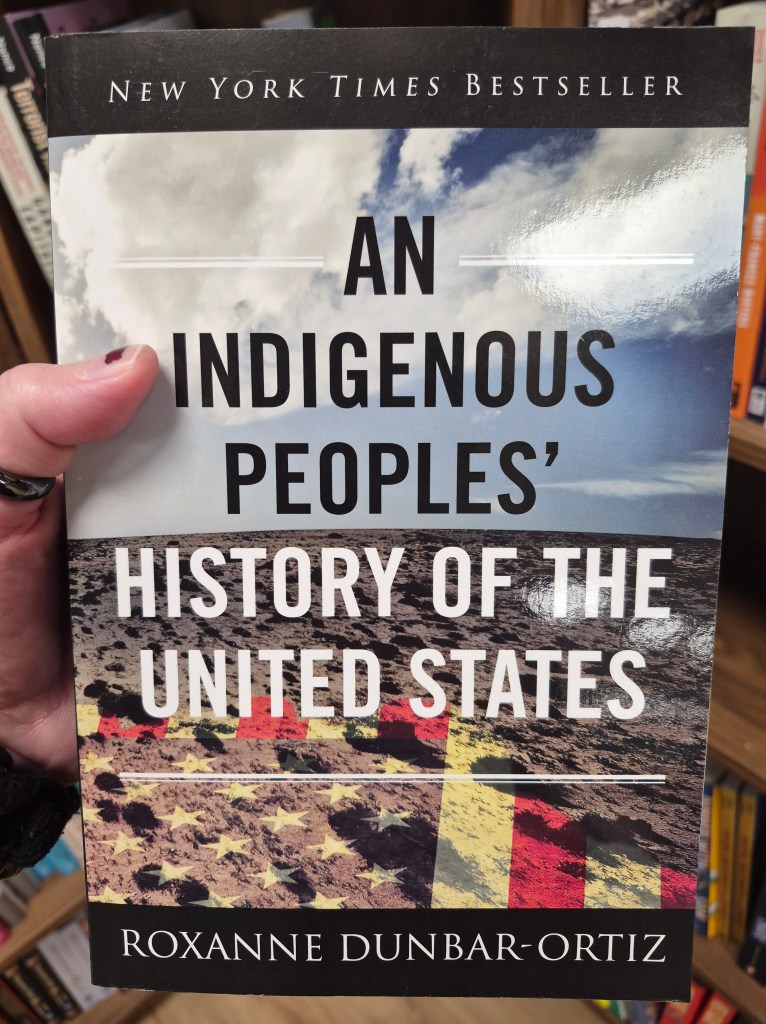
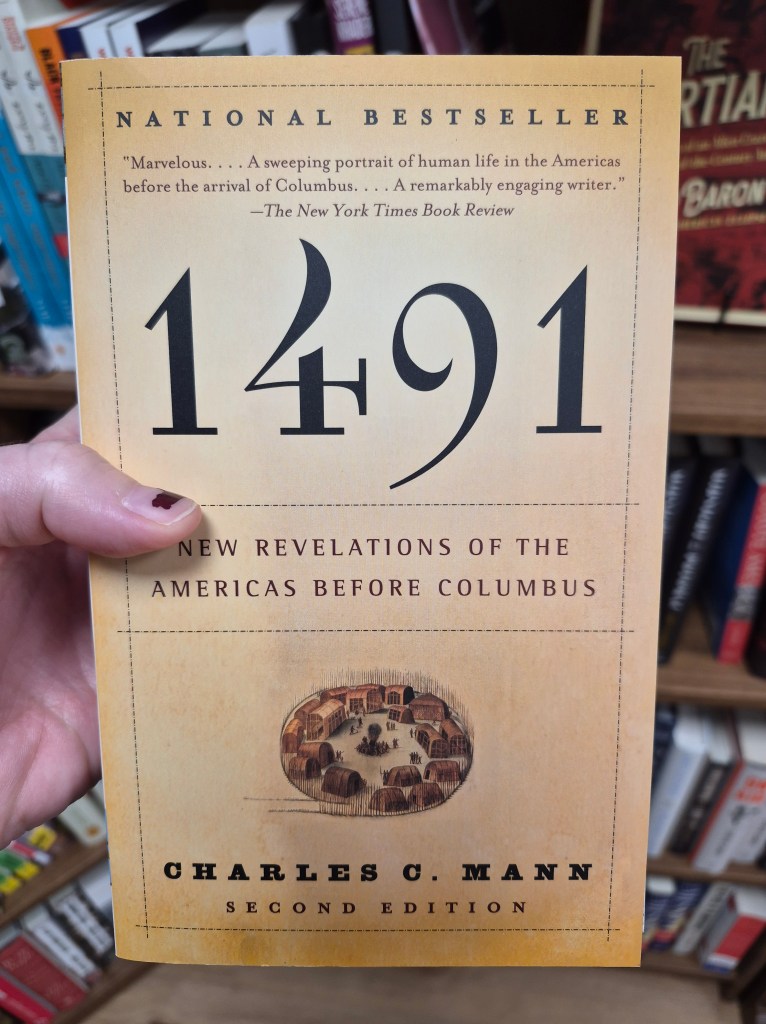
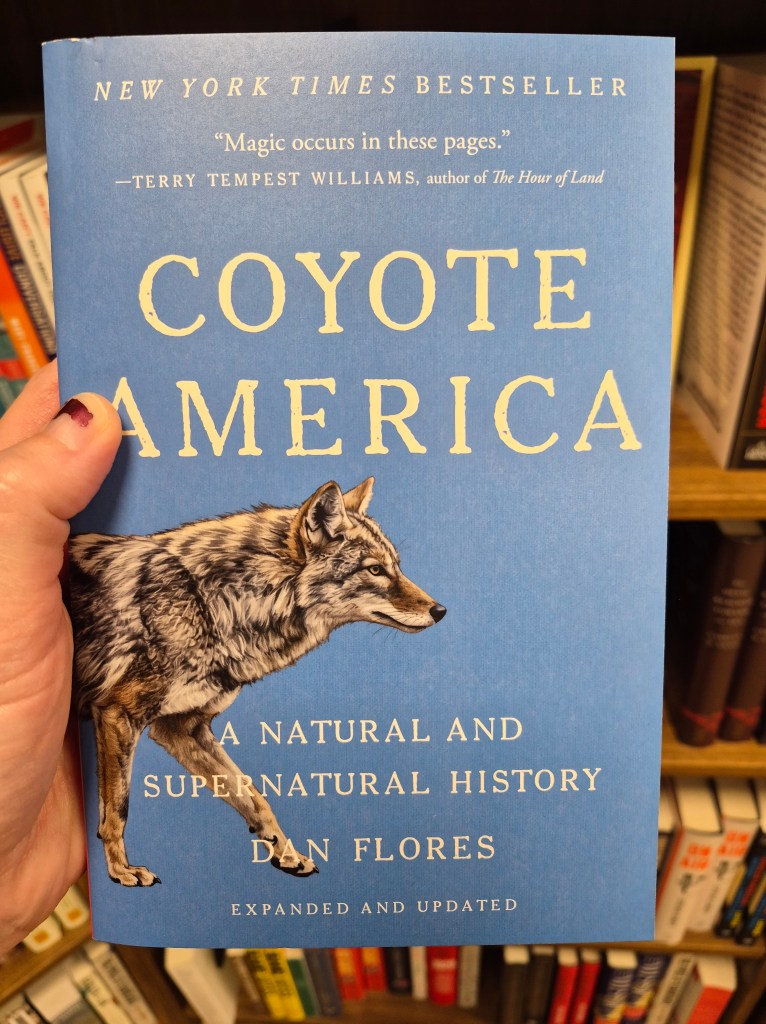
Additional Resources
News October 25, 2026: Navajo Nation communities evacuated in Utah due to potential for ‘catastrophic flooding’
First Nations Development Institute
First Nations Development Institute: National Native American Heritage Month
Indigenous Peoples of the Americas: A Guide to Resources at the Library of Congress
Library of Congress: Legacies of Service: Celebrating Native Americans
Smithsonian Institute: Native American Heritage Month
National Park Service: Native American Heritage Month
National Museum of the American Indian
Illinois Historical Preservation Division: Native Americans
MuseumLink Illinois: American Indian Tribes of Illinois
MuseumLink Illinois: The Illinois
Mythic Mississippi Project: Native American Illinois
Native Americans Today: The Land Back Movement
NPR: Which Indigenous lands are you on? This map will show you
NPR: Goodbye, Columbus? Here’s what Indigenous Peoples’ Day means to Native Americans
NPR: Illinois is now home to a federally-recognized tribal nation
Enjoy Illinois: Native American Heritage in Illinois
Champaign County History Museum: Indigenous Illinois: The History of American Indian Tribes in and Around Champaign County
Southern Illinois University Carbondale: SIU’s Native American Heritage: Readings and Resources (LibGuide)
Prairie Band Potawatomi Nation
Chicago American Indian Community Collaborative
Access Genealogy: Illinois Indian Tribes
Genealogy Trails: Native Americans of Illinois
National Park Service: Native American Graves Protection and Repatriation Act
US Department of Interior Bureau of Indian Affairs
Kathryn M. Buder Center for American Indian Studies (Washington University in StL)
National Geographic: Overheard Episode 7: Descendants of Cahokia
History and Culture: The Rise of Ancient North America’s Mound-Building Civilization
Social Studies Help: The Mississippian Culture and Mound Builders of North America
Native-Languages.org: Native American Tribes of Illinois
Illinois State Museum: The Arrival of Native Nations (11,700-4,000 years ago)
I Like Illinois: Honoring Illinois’ Native Roots
Indigenous Chicago: A Guide to Indigenous People Who Call Chicago Home
Native American Chamber of Commerce of Illinois
Peoria Magazine: Native Tribes of Illinois
US House of Representatives History, Art, & Archives: Indian Removal Act of 1830
National Constitution Center: Indian Removal Act (1830)
History Crunch: Indian Removal Act: A Detailed Summary
Library of Congress: Indian Removal Act: Primary Documents in American History
National Archives: President Andrew Jackson’s Message to Congress ‘On Indian Removal’ (1830)
Honoring Original Indigenous Inhabitants: Land Acknowledgment (National Museum of the American Indian)
History.com: Trail of Tears
History.com: Native American History
First Peoples of North American (500 Nations)
Federally recognized Indian tribes and resources for Native Americans
Related Pages