
July is Disability Pride Month, which commemorates the 1990 signing of the Americans with Disabilities Act (ADA). The ADA is crucial for protecting the rights of people with disabilities.
According to Disabled World, “Disability is an umbrella term, covering impairments, activity limitations, and participation restrictions.” It’s “broadly defined as the consequence of an impairment that may be physical, cognitive, mental, sensory, emotional, developmental, or some combination of these.”
AmeriDisability defines disability pride “as accepting and honoring each person’s uniqueness, and seeing it as a natural and beautiful part of human diversity.”
The ADA defines a disabled person as someone who “has a physical or mental impairment that substantially limits one or more major life activities, has a history or record of such an impairment (such as cancer that is in remission), or is perceived by others as having such an impairment (such as a person who has scars from a severe burn).”
In the United States, more than 1/4 of adults “report having a functional disability.” That’s around 70 million Americans. The highest disability rates occur in adults over age 65. Around 10 percent of the world’s population (650 million people) have a disability.
In the past, many cities in the US had “ugly laws” which banned disabled people from the streets and forced them into prisons, poorhouses, or other institutions. Some cities even charged fines for violating ugly laws. One of the earliest of these laws was passed in 1867 in San Francisco. Many ugly laws, which were all a form of eugenics, remained in place until 1974. Many disabled people were also early victims of the Holocaust. These are some of the reasons that Disability Pride Month is so important.
In 1999, the Supreme Court’s Olmstead decision, based on the ADA, determined that “that people with disabilities have a qualified right to receive state funded supports and services in the community rather than institutions” as long as certain conditions are met.
The Disability Pride Flag was designed by Ann Magill, a writer with cerebral palsy, in 2019 and updated to be more accessible to viewers in 2021. Each color represents a different group of disabilities.
Disabilities can be temporary or permanent. Living with a disability can be quite challenging, and many disabilities are considered invisible, meaning they are not necessarily obvious (such as amputations or mobility aid usage).
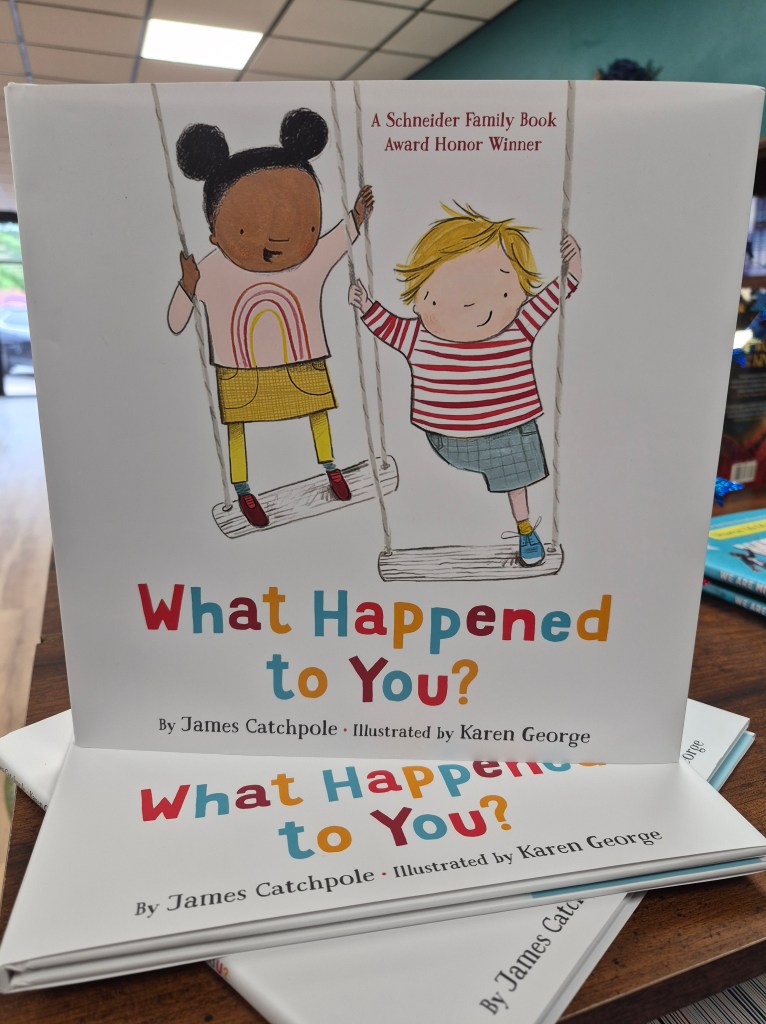
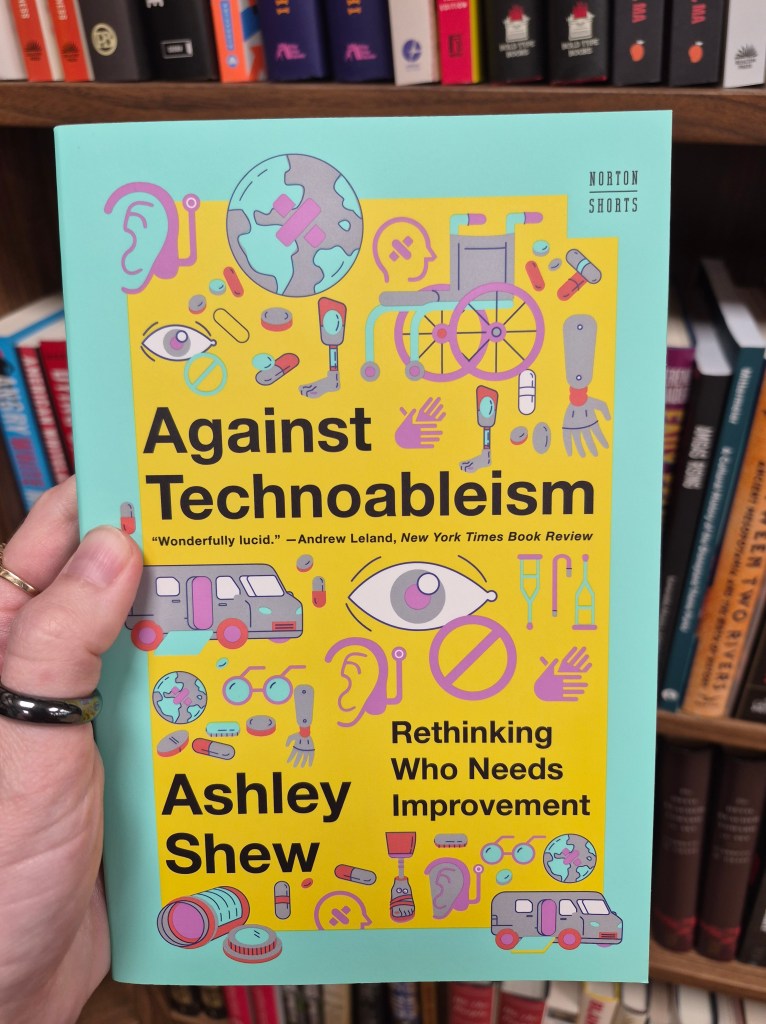
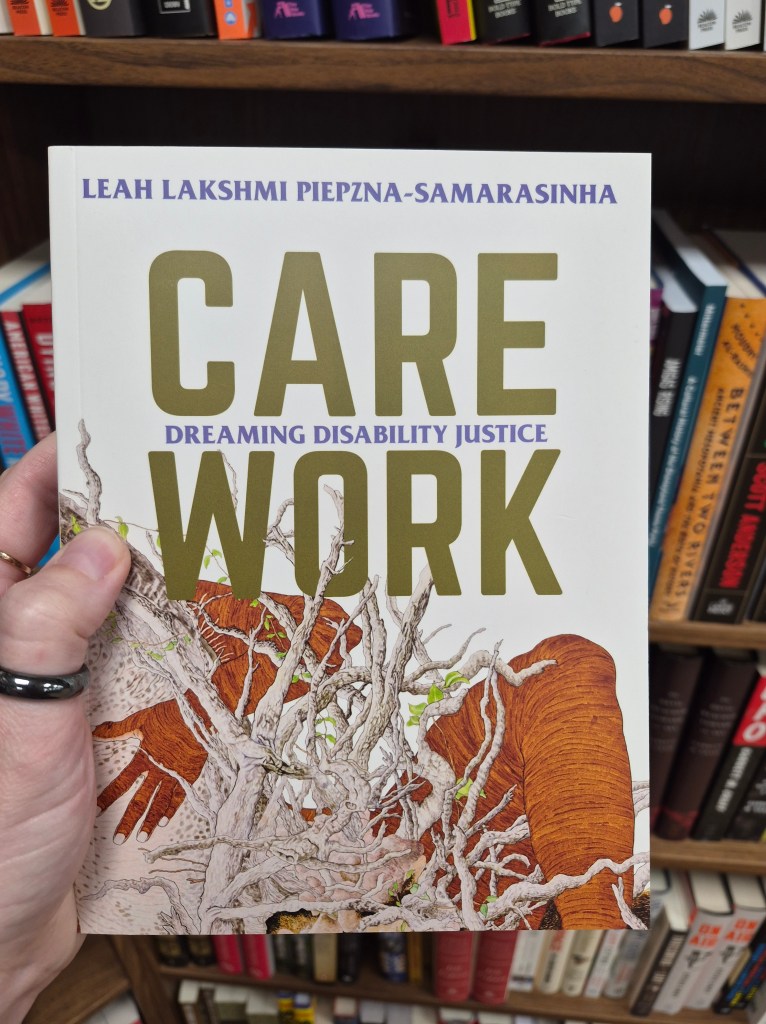
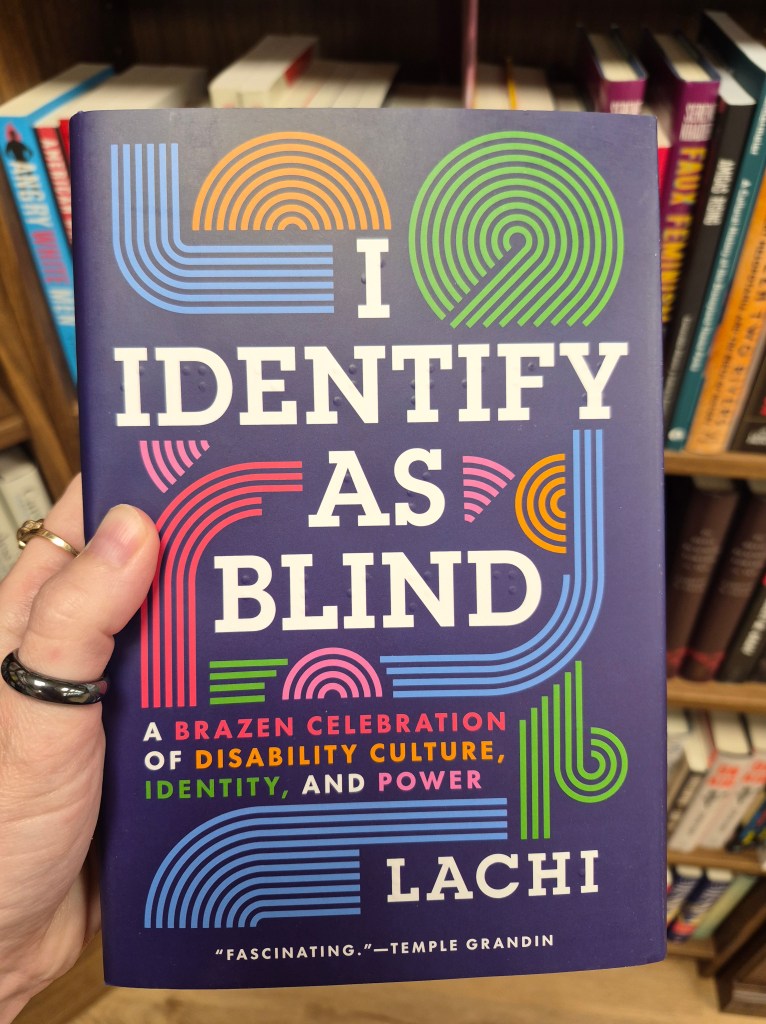
See below for book recommendations!
Books for Children


Books for Middle Grade


Books for Adults
Adult Nonfiction


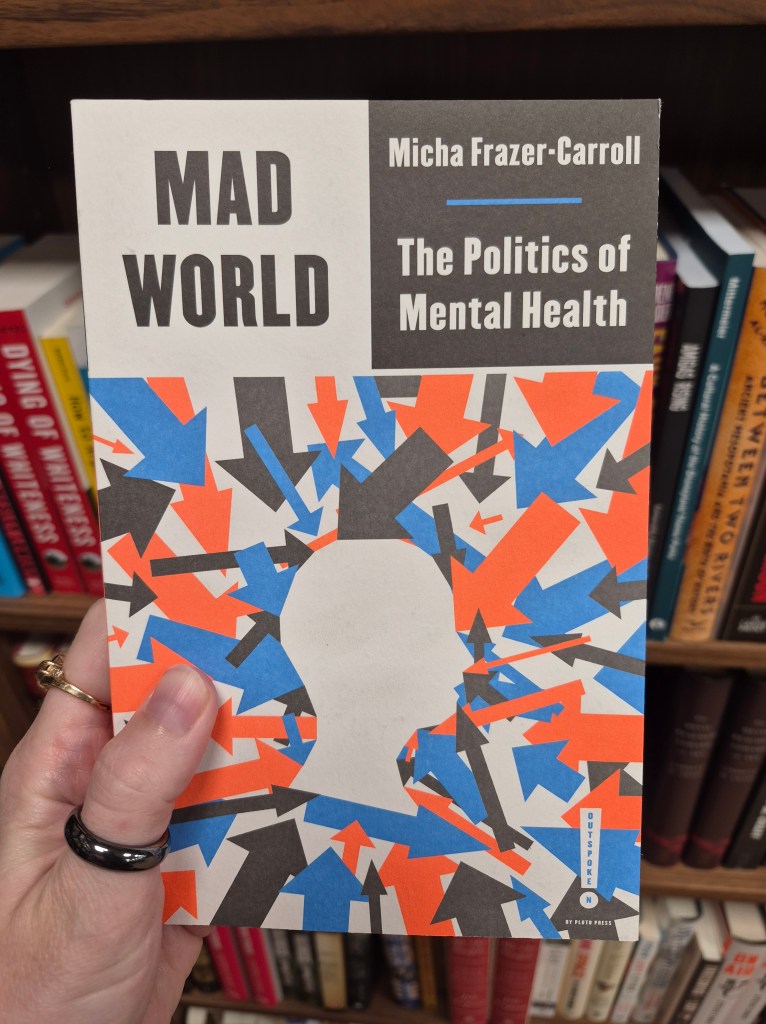

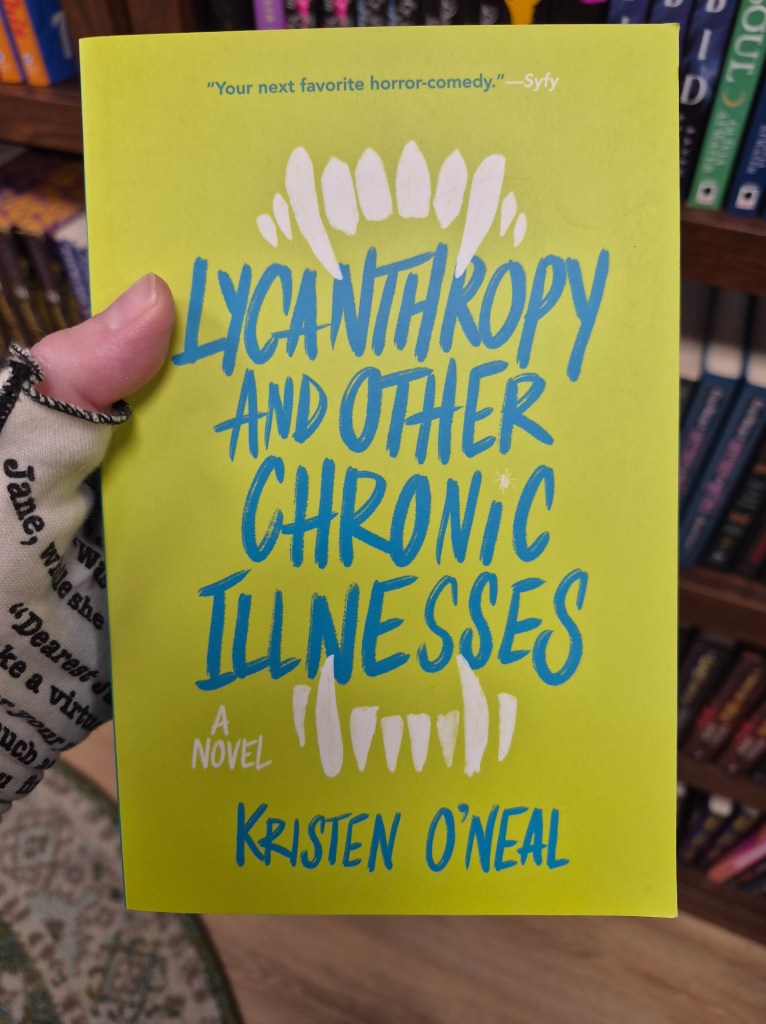
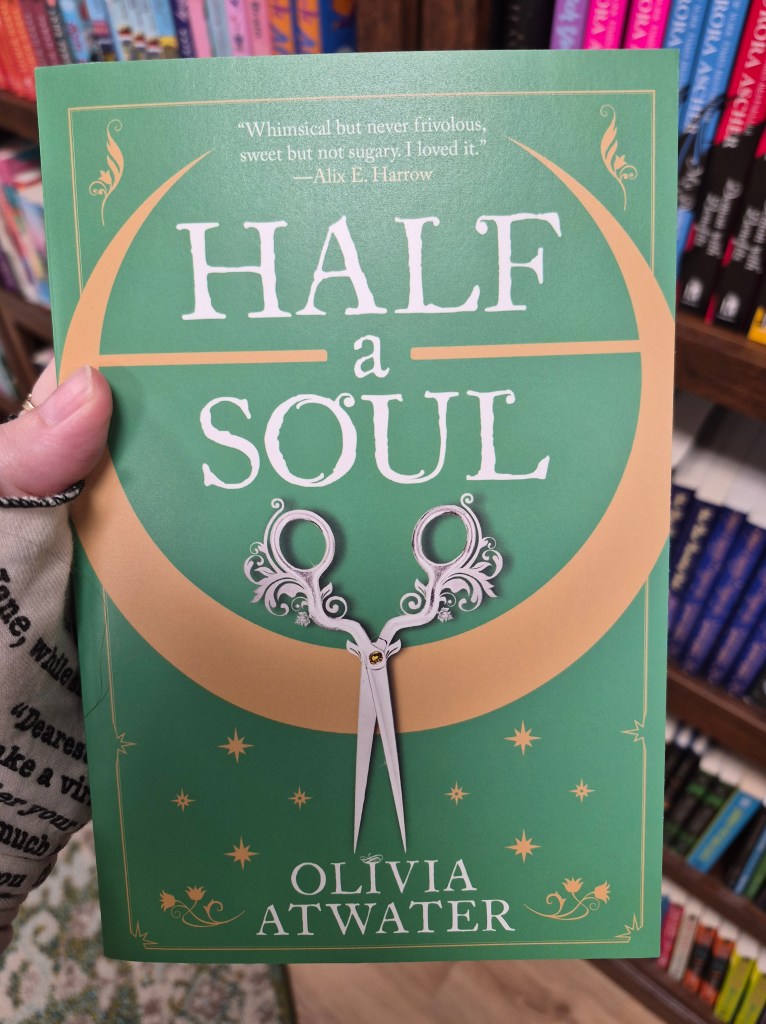
Adult Fiction


Additional Resources
Video: Disability Inclusion Matters for All
Video: Disability Reframed – Exploring the state of disability in America
US Equal Employment Opportunity Commission: ADA Original Text
The American Association of People with Disabilities (AAPD)
Center for People with Disabilities
America’s Disability Community
Invisible Disabilities Association
TheGlobalStatistics.com: Disability Statistics in the US
United Nations Convention on the Rights of Persons with Disabilities (2006)
United Nations Committee on the Rights of Persons with Disabilities
USA.gov: Veteran Disability Benefits
Department of Labor Disability Statistics
Understanding ableism and negative reactions to disability
Why Are More Americans Facing Disability Challenges?
Holocaust Encyclopedia: Euthanasia Program and Aktion T4
History.com: How Deaf Protesters in 1988 Changed Perceptions of Disability—and US Law
History.com: When the ‘Capitol Crawl’ Dramatized the Need for Americans with Disabilities Act
History.com: How the 504 Sit-In Secured Protections Against Disability Discrimination
History.com: Eugenics
Science Insights: What Is the Eugenics Movement and Its Dark Legacy
SFGate: San Francisco once pioneered America’s cruelest legislation: Ugly laws
DisabilityBelongs.org: Fifty Years After the Last ‘Ugly Law,’ Are We Repeating History?
MSN: America had laws banning ugly people from public until 1974
Archive.ADA.gov: Olmstead: Community Integration for Everyone
OlmsteadRights.org: Olmstead v. LC: History and Current Status
NPR: DOJ memo stokes fear among disability advocates of a return to institutionalization
American Association of People with Disabilities: DOJ Memo Is Attempting to Turn Back the Clock on Integration and Olmstead’s Promise
ADayInOurShoes.com: The DOJ’s Olmstead Memo Explained: Community Integration, OCR, and What’s Next.
Diversity & Inclusion Speakers Agency
National Association to Advance Fat Acceptance
GoodGoodGood Co: 12 Best Ways To Celebrate Disability Pride Month
Related Pages



Designed with WordPress
 TBR Books